
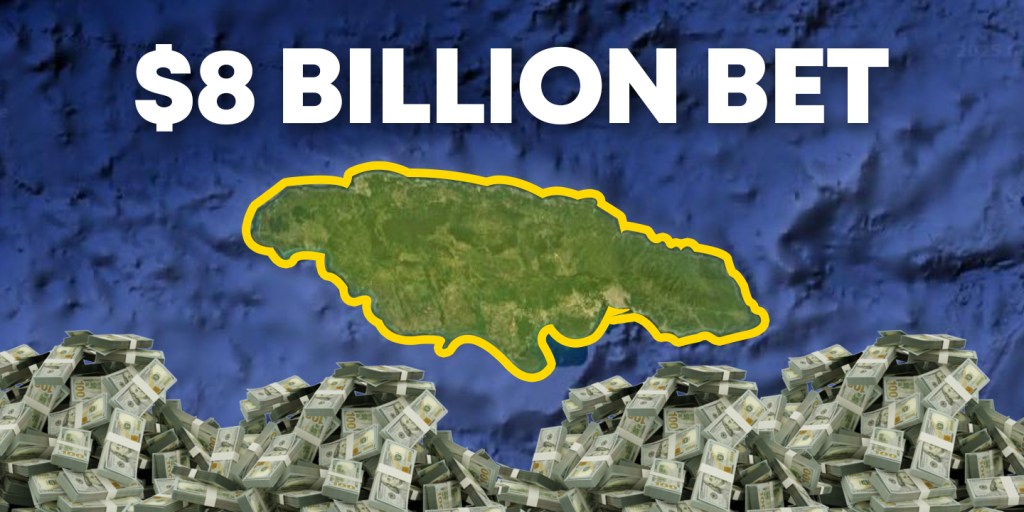
Jamaica is standing at a crossroads. One path leads to decades of growth and prosperity. The other leads to another missed opportunity we will talk about for the next fifty years.
In a few years, Jamaica could be one of the most important countries in the world for trade.
Ships, planes, and goods from every corner of the globe could be passing through here. Money could be flowing in like we have never seen before.
Or nothing changes.
We watch the headlines fade.
The rich get richer.
And you are left wondering what happened to all those promises.
The government has started work on the Caymanas Special Economic Zone.
On paper, it sounds like a goldmine for the country. A project that could put thousands of people to work, attract massive foreign investment, and lift the entire economy.
But big projects do not run on paper. They run on planning, execution, and the will to make them succeed. If any of those are missing, the whole thing can fail.
In this article, I will show you what this project really is, the opportunities hiding inside it, and the mistakes that could kill it before it even starts.
By the end, you will know exactly how this project could change Jamaica and how to put yourself in the best position to benefit from it.

THE DREAM
Right now, Jamaica is like a gas station on the global trade route. Ships stop in Kingston, drop off what we ordered, maybe refuel, and then move on. The cargo barely touches our economy. No real wealth. No real jobs for Jamaicans.
The Caymanas Special Economic Zone aims to change that.
Instead of being just a pit stop, Jamaica could become a central hub in the global supply chain. Ships would unload here, store goods in massive warehouses, assemble products, process shipments, and send them back out to the world.
Imagine an economy where goods are not only passing through but made, packaged, and shipped by Jamaicans. Companies train our people and help build industries run by us.
That shift could mean thousands of jobs, hundreds of new businesses, and Jamaican-made products in stores across the Caribbean, the Americas, and beyond.
It would bring billions into the economy and give the government more resources for education, healthcare, and infrastructure.
The difference is simple. Right now, we are dividing a small pie. With Caymanas, we bake a bigger one. Everyone gets a bigger slice.
This is the vision. Transform Jamaica from a tourist destination into the logistics and manufacturing powerhouse of the Caribbean.
If we get it right, we follow the path of Singapore, climbing the value ladder and building prosperity for generations.
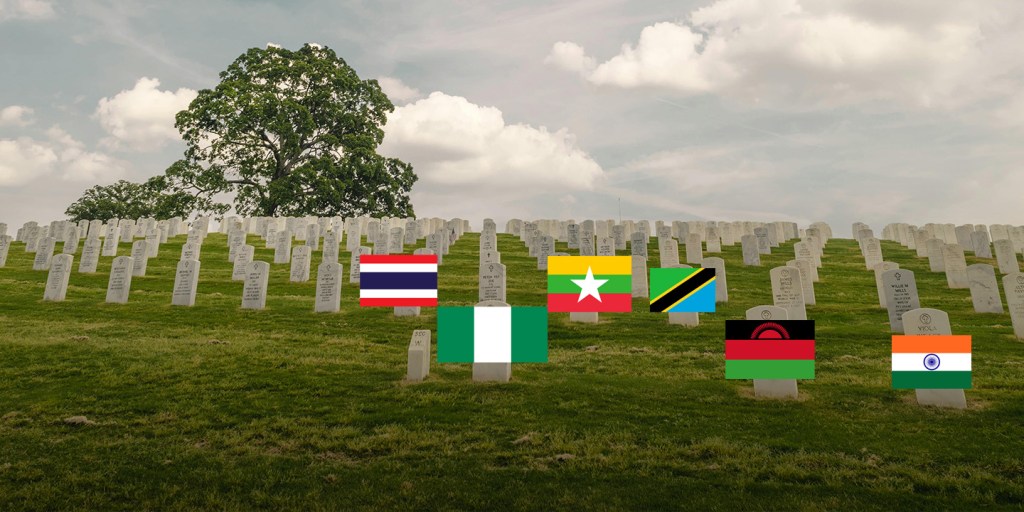
The SEZ Graveyard is Full. Here’s How Caymanas Can Live
Most special economic zones fail. A few change the entire future of a country.
The difference is simple. The winners build the right foundation. The losers skip it.
Winners get three things right: infrastructure, trust, and knowledge transfer. Failures ignore them and hope location alone will save them.
The Winners
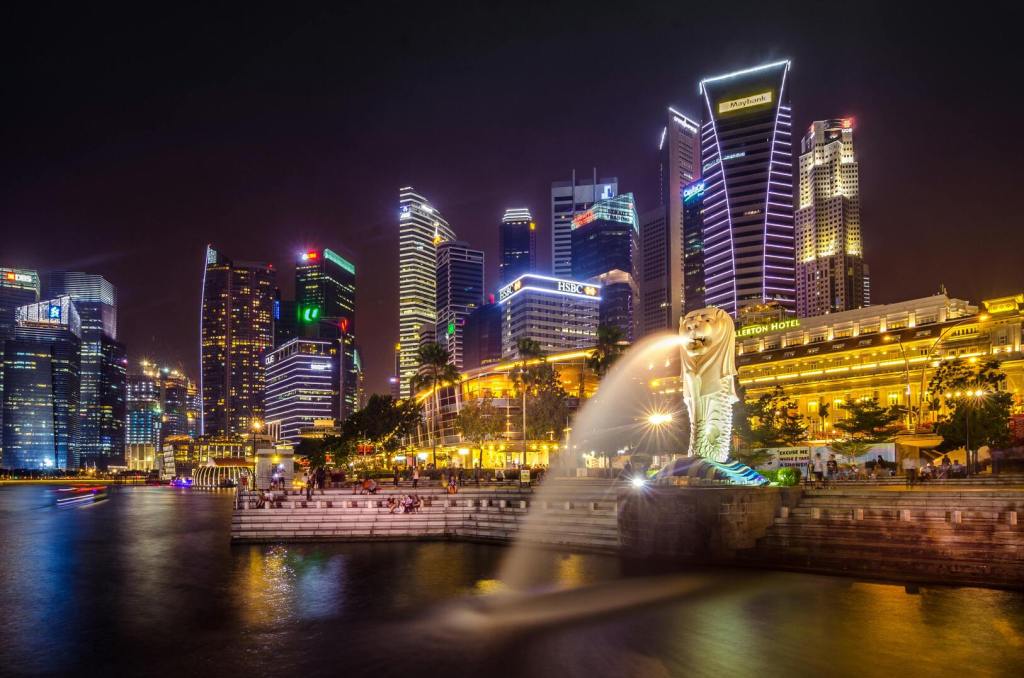
🇸🇬 Singapore
Built the system first
Before chasing high-value industries, Singapore built world-class ports and airports. They tied the SEZ into the national plan: logistics, education, and governance all moved together.
Every foreign investment deal had one non-negotiable: train Singaporeans. This constant transfer of skills turned them from dockworkers into industry leaders.
They kept the rules stable and transparent so investors could plan for decades.

🇦🇪 Dubai (Jebel Ali)
Built before demand, funded by oil
Dubai had a head start Jamaica does not: oil revenues. They used that money to create the largest man-made harbor on Earth before they even had customers.
They offered 50 years tax-free, 100 percent foreign ownership, and no currency restrictions. They built not just for logistics but for manufacturing and finance, and they marketed the zone globally as the gateway between East and West.
The wealth from oil bought the infrastructure, but the long-term success came from attracting foreign companies that trained Emiratis in high-value industries.
The Failures

🇮🇳 India
Stalled before takeoff
Fights over land with farmers killed projects before they began. Policy flip-flops scared off investors. Ports and airports were too far, making logistics costs unbearable.
🇳🇬 Nigeria (Tinapa)
Built in the wrong place
Too far from major ports and trade routes. Customs rules were unclear, killing investor confidence. No anchor tenants moved in. The zone opened empty.

Why This Matters for Jamaica
Caymanas already has a natural edge. It sits next to Kingston port, highways, and existing infrastructure. The land is secured. The shipping lanes are global.
What is Already Confirmed
The Jamaican government has:
- Secured the land for the SEZ.
- Chosen a location directly connected to port and highway infrastructure.
- Positioned Caymanas within reach of major global shipping lanes.
- Begun the process of attracting investors under the current SEZ framework.
These are strong starting points. But history shows that location and infrastructure alone do not guarantee success.
What Still Needs to Be Added — My Proposed Plan
To turn Caymanas into a long-term economic engine, we must also:
- Guarantee decades of policy stability and investor incentives so companies can plan 30–50 years ahead without fear of changing rules.
- Create a seamless cargo link between port and airport to move goods in hours, not days.
- Make binding knowledge transfer mandatory so Jamaicans can run, manage, and innovate in these industries for generations.
If we lock in the confirmed plans and add these missing elements, Caymanas can follow the growth path of Singapore and Dubai. Without them, we risk repeating the stalled or underperforming SEZ experiences of countries like India and Nigeria.
The foundation is set. The missing pieces will decide whether Caymanas becomes a global success story or another lost opportunity.

How to Make Caymanas a Winner
These are my proposed changes to the Caymanas Special Economic Zone plan. They are not official policy. They are the gaps I see that, if addressed, could greatly increase our chances of success.
Caymanas has the land. It has the location. But location alone has never made a country rich. If we want Caymanas to become the beating heart of Caribbean trade, rather than another forgotten big idea, we must act now.
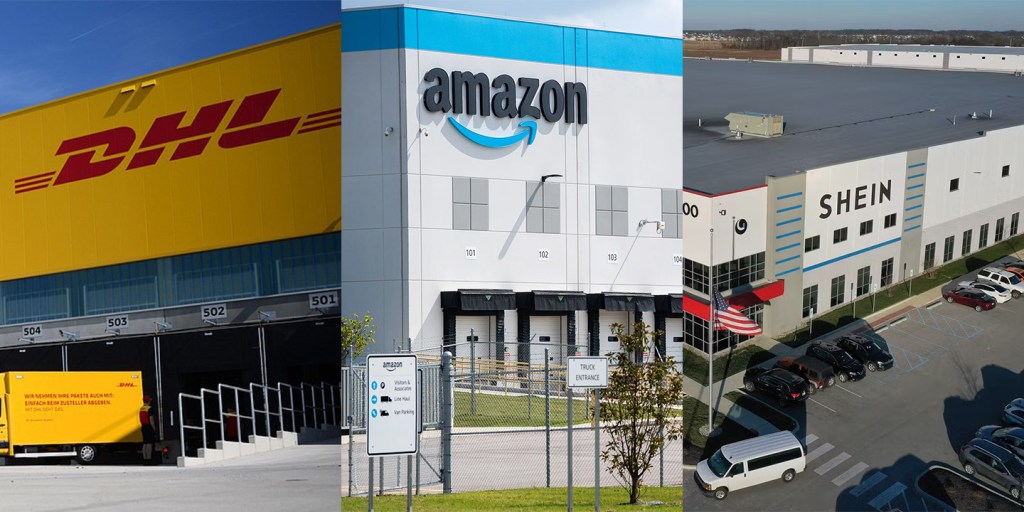
1. Lock in Anchor Tenants Before the First Warehouse Opens
Big zones die without big names. If major, credible companies set up early, smaller ones will follow.
For Caymanas, this means we can position ourselves as “America’s closest low-cost factory floor” for high-margin, low-weight goods such as apparel, specialty foods, electronics assembly, and medical devices.
But there is a threat. The new U.S. baseline import tariff introduced in April 2025 could erase much of this advantage unless Jamaica secures an exemption. Even if partial preferences remain, the uncertainty can scare off U.S.-focused manufacturers.
That is why we must move now on two fronts:
- Push for a formal exemption for SEZ-produced goods. Position it as mutually beneficial, keeping U.S. supply chains close to home and reducing dependence on Asia.
- Diversify anchor tenants beyond the U.S. market. Recruit global exporters that also ship to Europe (tariff-free under the EU–CARIFORUM agreement), Latin America (Panama, Colombia, Costa Rica), and CARICOM. Focus on industries with high regional demand such as construction materials, processed foods, beauty and wellness, and medical devices.
Even if tariffs remain, Caymanas can win by selling the nearshoring advantage. We can deliver goods to the U.S. in three to five days instead of 30 or more from China, with lower shipping costs and reduced inventory needs, which can often offset a 10 percent duty.
The government should be signing multi-decade deals now with anchor tenants such as Amazon regional fulfillment, Nike Caribbean assembly, global cosmetics exporters, or medical device manufacturers. These companies choose locations two to five years in advance.
If we wait until the tariff situation is resolved, we risk losing them to Mexico, Panama, or the Dominican Republic.
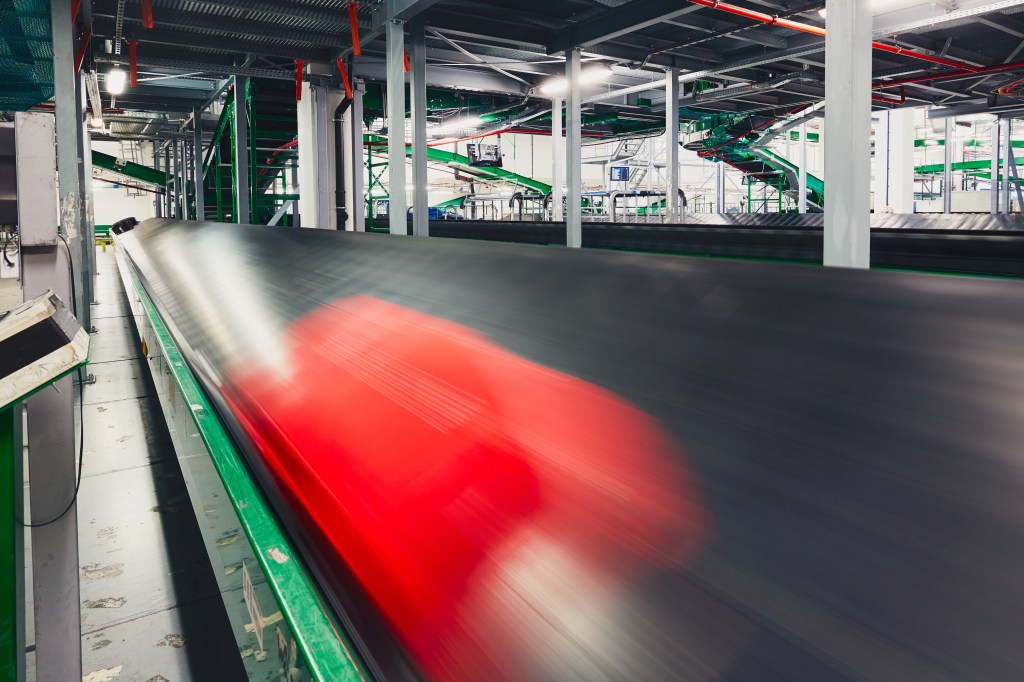
2. One Stop Clearance, Not a Paper Chase
Current Challenge
Right now, clearing cargo in Jamaica can mean Customs, Health, Agriculture, and the Port Authority all doing their own checks, often in sequence. This can stretch clearance from days to weeks, adding unnecessary costs and delays.
What the Government is Proposing
Under the Caymanas SEZ plan, the government has committed to streamlining clearance processes. The goal is to reduce duplication between agencies and move toward a more efficient, technology-driven system.
My Proposal to Strengthen the Plan
The current proposal is a good start, but it must go further to meet world-class standards. I recommend:
- Create a true single-window digital platform inside the SEZ where all agencies work off the same system, with real-time data sharing.
- Set up one inspection point that satisfies all regulatory requirements, rather than multiple sequential checks.
- Operate on a 24/7 schedule so cargo can move at any hour, matching global hub cities.
- Establish strict performance benchmarks such as 90 percent of containers cleared within 12 hours, and publish clearance times to maintain accountability.
In Singapore and Dubai, a container can land in the morning and be on a truck or plane that afternoon. Caymanas should be designed to match or beat that speed from day one.
If the government’s plan fully incorporates these measures, Caymanas can become the fastest cargo clearance point in the Caribbean and a key competitive advantage in attracting global logistics and manufacturing investors.
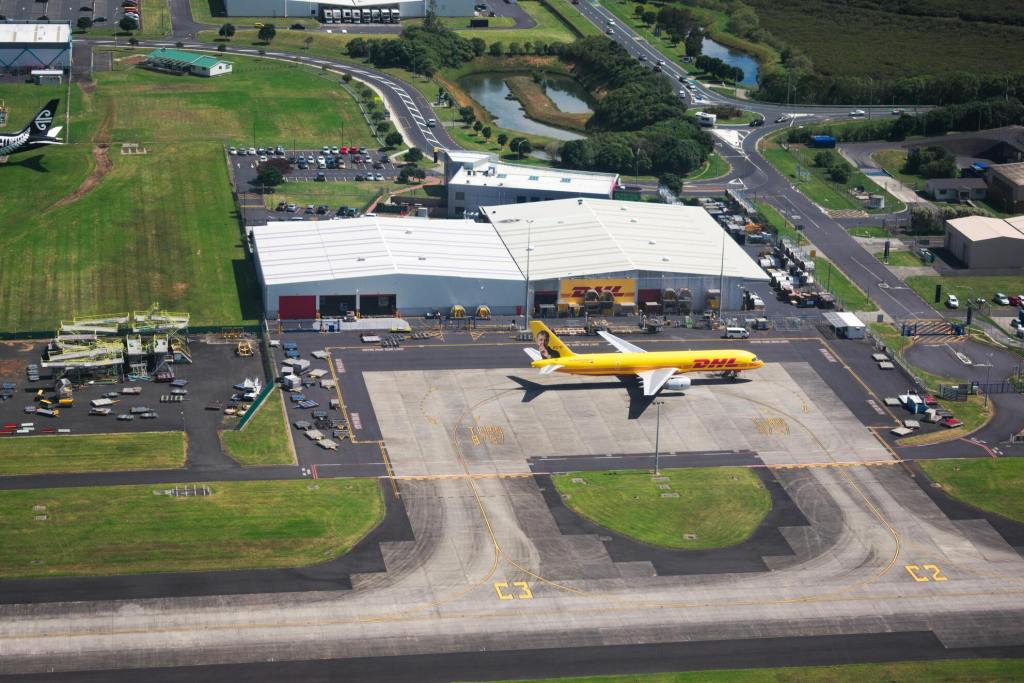
3. Build the Air Link Now
Shipping is only half the equation. High-value, time-sensitive cargo needs air. Without it, Caymanas will never compete for the fastest-growing sectors in global trade such as pharmaceuticals, electronics, fashion, fresh foods, and e-commerce fulfillment.
Current plans call for moving Tinson Pen operations to NMIA, which is a start. But NMIA has a hard cap on runway expansion due to its geology and location.
It can only grow so much. This means Jamaica will eventually need a dedicated, scalable air cargo facility if we want Caymanas to be more than a feeder to other airports.
The smart move is to start small: a single dedicated runway, with a master plan for growth. Over time, that single strip can expand into a new regional airport with multiple landing strips, modern cargo terminals, and bonded storage right inside the SEZ.
This would give Caymanas the same seamless air-sea integration that powers Dubai’s Jebel Ali and Al Maktoum International Airport. A container could arrive by ship in the morning, be processed on-site, and be in Miami, Panama, or São Paulo within hours.
A full regional airport at Caymanas could:
- Open Jamaica as a hub for trans-Caribbean passenger and cargo flights.
- Pull freight traffic from competing ports in the Dominican Republic, Bahamas, and Panama.
- Attract multinational logistics and express shipping companies seeking a central, high-speed base.
- Create entirely new industries around aircraft maintenance, cold-chain logistics, and high-value perishables.
If we plan for this from day one, Caymanas could grow into the Caribbean’s primary air-sea trade gateway. If we delay, we will be limited by NMIA’s size and reach.
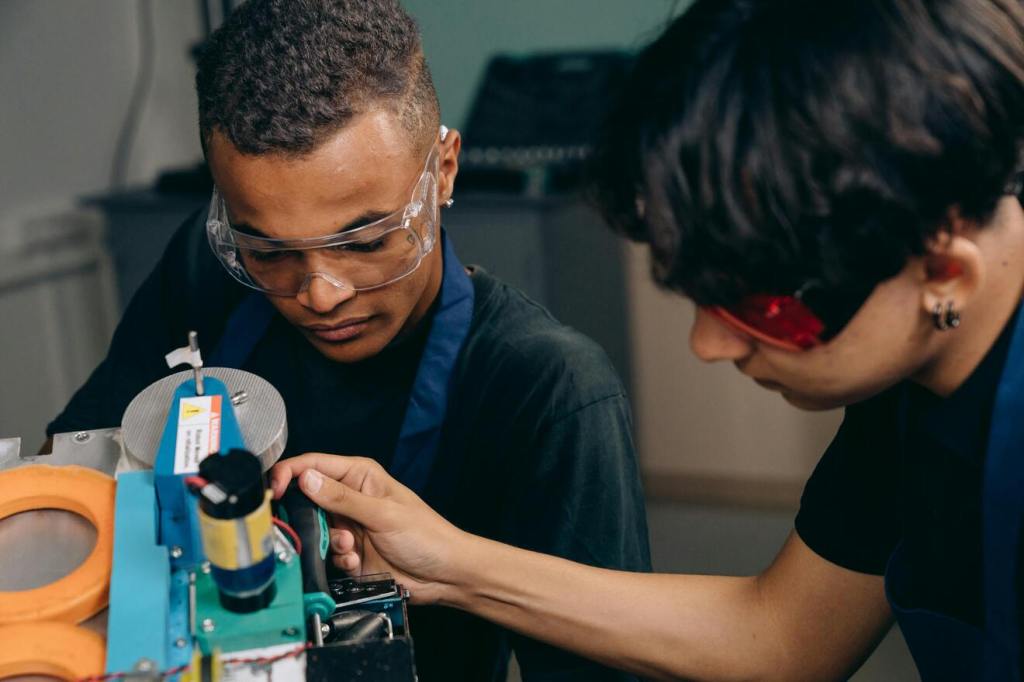
4. Make Skills Transfer Non-Negotiable
What the Jamaican Government Has Proposed
The current Caymanas SEZ plan acknowledges the importance of workforce development. It includes:
- Basic training partnerships with local universities and vocational institutions.
- On-the-job training opportunities provided by foreign companies operating in the zone.
- Encouragement (but not requirement) for companies to hire locally for non-specialized roles.
These initiatives are a step in the right direction, but they stop short of making skills transfer a binding requirement. There is no clear enforcement mechanism, tracking system, or commitment to training in high-value, technical, or leadership roles.
What I Am Proposing
Skills transfer must be hardwired into the DNA of Caymanas — and into every investor contract. My proposal adds:
- Legally Binding Skills Transfer Clauses: Every foreign company must agree to train Jamaican nationals in every critical role, from operations to executive management.
- Mandatory Tracking & Auditing: Progress should be monitored annually, with measurable milestones for how many locals are promoted into skilled and leadership positions.
- Technical Depth: Training must go beyond basic labor skills to include:
- Supply chain management and advanced logistics
- Customs technology and compliance systems
- High-volume manufacturing and automation
- International sales, export regulation, and trade compliance
- Supply chain management and advanced logistics
- Knowledge Legacy Guarantee: Even if a foreign company leaves in 10 years, the skills remain in Jamaica — building a national talent pool that can start new businesses, strengthen local manufacturers, and compete globally.
- Modeled on Singapore’s Success: Just as Singapore required foreign engineers to train their replacements, Caymanas should ensure that every expert here creates a Jamaican counterpart who can fully take over their role.
Why This Matters
Without a deep skills base, Caymanas risks becoming just another “land for rent” project. Shiny warehouses staffed by foreign experts, with profits leaving the island.
With binding, trackable skills transfer, we turn foreign investment into a permanent national advantage.
This is how Jamaica can move from hosting industries to running them, designing products, and leading supply chains that serve the entire region.
5. Give Investors 50 Years of Certainty
Big investors think in decades, not election cycles. If we want Caymanas to attract global anchor tenants that will invest hundreds of millions, we must give them certainty: the rules they start with will be the rules they keep.
Many countries have lost investors by changing the deal after companies moved in. Taxes increased, permits slowed, and land rules shifted. Investors call this the bait and switch, and once it happens, it scares off future investment.
Dubai avoided this by locking in 50-year tax holidays at Jebel Ali Free Zone and keeping every promise. That stability became part of their brand. Today, Jebel Ali hosts more than 8,000 companies from 140 countries.
Caymanas must send the same signal. Decades-long tax incentives should be written into law, with predictable operating costs and fast-track permits that work the same way every year.
This is not just generosity toward foreign investors. It builds trust in Jamaica as a place where companies can commit for the long term.
6. Build for Automation From Day One
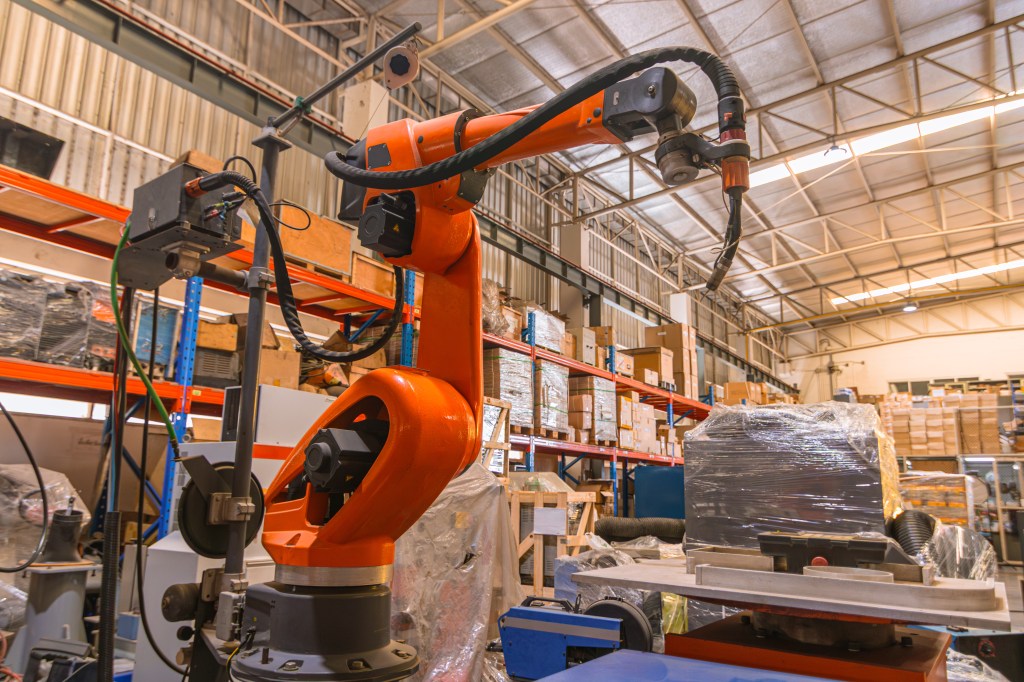
Jamaica’s smaller labor pool can be an advantage if we design for automation from the start. The most competitive logistics hubs use robotics, AI-powered scheduling, automated cranes, and high-density storage systems that operate nonstop.
If we wait to add these later, it will cost twice as much and disrupt operations. Automation-readiness from day one will help Caymanas leapfrog larger competitors.
Automation is not about replacing people. It is about focusing human talent on problem-solving and innovation while machines handle repetitive, heavy-lifting work. That combination will make Caymanas globally competitive from the first day it opens.

7. Make It Storm Proof
What the Jamaican Government Has Proposed
The government’s current Caymanas SEZ plans acknowledge the risk of hurricanes and call for:
- Using hurricane-rated building materials for warehouses and key facilities.
- Elevating critical infrastructure above known flood levels.
- Ensuring basic backup power through generators in the event of grid failure.
These measures are intended to meet baseline safety requirements and ensure faster recovery after storms.
What I Am Proposing
To stand out globally, Caymanas should go far beyond minimum compliance. My proposal adds:
- Category 5 Resilience Standard: Design every critical facility to withstand the strongest recorded Caribbean storms, not just historical averages.
- Full Renewable Microgrids: Install on-site solar, wind, and battery storage capable of running essential SEZ operations for weeks without the national grid.
- Independent Water Security: Create self-contained water storage and filtration systems to maintain operations if municipal water is disrupted.
- Cold-Chain Continuity: Ensure refrigerated warehouses and perishable goods storage stay powered during and after storms to protect high-value exports.
- Operational Continuity Protocols: Train SEZ operators, customs, and logistics teams to shift into “storm mode” without halting trade.
- Market Positioning: Actively market Caymanas as “The Port That Never Closes” — a trusted hub where global cargo can keep moving regardless of weather.
Why This Matters
Every major investor in logistics considers storm risk before committing capital. If Caymanas can guarantee operations during and after a hurricane, it instantly becomes the safest bet in the region. This reliability becomes not just a safety measure but a core marketing advantage that could attract long-term anchor tenants who value certainty above all else.

How You Can Get Rich
Caymanas is not just for governments and multinational corporations. If you are an investor, entrepreneur, or part of the Jamaican diaspora, there is a direct way for you to benefit right now.
The fastest money will be made in Stage 1 industries, where Jamaica already has brand power, tariff advantages, and the ability to get products to market quickly.
Stage 1: Quick Wins
High-Value Agro-Processing & Specialty Foods
- Why it works: Jamaican products like Blue Mountain Coffee, allspice, ginger, cocoa, rum, and tropical fruits already sell at premium prices worldwide. Caymanas can host export-grade roasting, bottling, canning, and packaging facilities that make these products ready for sale in the U.S., EU, and UK.
- How you profit: Start your own direct-to-consumer (DTC) brand targeting health-conscious consumers, the Caribbean diaspora, or premium global markets. Sell coffee subscriptions to Europe. Ship craft rum gift sets to the U.S. Create wellness snack lines for online shoppers.
- Example: A diaspora-owned brand could source Blue Mountain beans, roast and package them in Caymanas, and ship fresh to Europe in days, competing head-to-head with Costa Rica’s high-end coffee exporters.
Cosmetics, Beauty & Wellness Manufacturing
- Why it works: Jamaican natural ingredients like aloe, castor oil, and coconut oil give you authenticity that foreign brands cannot replicate.
- How you profit: Launch a beauty or wellness brand made in Caymanas. Export to the U.S., UK, and EU using Jamaica’s trade agreements. Sell directly through Shopify, Amazon, and retail partnerships.
- Example: A Jamaican-American entrepreneur launches a natural haircare line produced in Caymanas with locally sourced castor oil, selling online to the U.S. Black haircare market while also reaching high-end European salons.
Leverage the Brandibility of Jamaica
Global consumers already associate Jamaica with purity, vibrancy, and tropical authenticity. Caymanas gives you a platform to turn that perception into profit, faster and cheaper than importing from Asia. By producing inside the SEZ, you cut lead times, enjoy tariff advantages, and tap into the credibility of a “Made in Jamaica” label.
Stages 2 and 3: Scaling Up
Once Caymanas is running at full speed, the opportunity expands into Stage 2 (logistics hubs, creative content exports) and Stage 3 (medical devices, green tech manufacturing). These will require more capital and technical expertise, but the payoff will be enormous for those who position themselves early.
For now, the smartest play for individual investors and diaspora entrepreneurs is to focus on Stage 1, products we can brand, package, and export today into markets where Jamaica already has trade advantages and cultural recognition.

What Happens When Jamaica Decides to Compete with the Best
The Vision
For decades, Jamaica has been a stop along someone else’s route.
Ships come, unload goods, take on fuel, and leave. The real value is created somewhere else.
The Caymanas Special Economic Zone can change that. It can make Jamaica a place the world seeks out because this is where value is added, where knowledge is applied, and where excellence is expected.
Why It Matters
This is about becoming one of the most productive, skilled, and respected economies in the region.
It is about giving Jamaicans the education, training, and experience to master advanced industries.
It is about producing goods and services that meet and surpass the world’s highest standards.
It is about being recognized globally for our intelligence, efficiency, and ability to compete at the top level of the world economy.
What This Looks Like
A true logistics hub means ships and planes arriving with raw materials and leaving with products manufactured, packaged, and perfected by Jamaican talent.
It means warehouses run with precision, modern factories producing high-value goods, and logistics systems that operate with the speed and reliability of the best in the world.
Around Caymanas, new industries can grow and thrive:
- Agro-processing that turns our crops into premium exports.
- Manufacturing that brings high-paying, skilled jobs.
- E-commerce fulfillment that serves the entire Caribbean.
- Cold-chain storage that moves food and medicine quickly and reliably.
The Long Game
This is our chance to move beyond dependence on tourism and climb the value ladder step by step.
- Begin with light manufacturing and food processing.
- Advance into high-tech production such as medical devices and green technology like solar or wind.
- Build a services economy that exports financial, legal, creative, and technical expertise to the world.
The Promise
If Caymanas is done right, Jamaica can be recognized as the most capable and effective economy in the Caribbean.
It can be a place where young Jamaicans stay because the most challenging and rewarding careers are here.
It can be a place where our products and innovations are sought after worldwide.
It can be a place where our natural beauty is matched by our skill, our productivity, and our reputation for excellence.

Your Role in Making This Happen
This vision is not only for policymakers and corporations. It is for every Jamaican and every member of the diaspora who believes in the country’s potential.
If you are an entrepreneur or investor, you can:
- Start your own export brand using Caymanas as your production base.
- Launch agro-processing, beauty, or wellness products that leverage Jamaica’s reputation.
- Create services and technologies that feed into Caymanas’s logistics and manufacturing ecosystem.
If you are a student or professional, you can:
- Train in fields like supply chain management, manufacturing automation, quality control, and export compliance.
- Position yourself to work in the industries Caymanas will grow, so you can be part of the first generation running them.
If you are in the diaspora, you can:
- Invest capital, skills, and market connections to bring Jamaican-made products into the U.S., Europe, and beyond.
- Partner with local entrepreneurs to create companies that will thrive inside the SEZ.
The work starts now. The opportunity will not wait. If we get it right, Caymanas will not just move goods. It will move Jamaica into a new era of productivity, respect, and prosperity that the world cannot ignore.
 Esono
Esono 